
Live Bee Removal in Broward, Miami-Dade & Palm Beach
Licensed, family-run beekeepers since 2005. We remove the bees alive and relocate them to our farm.
7 AM – 7 PM, 7 days a week · Emergencies: call now
Why Choose All Bees Removal?
- Licensed & Insured
- Member of the Beekeepers Association
- Family-run since 2005
- 300+ colonies rescued and relocated
- Live removal, with the bees relocated to our farm
- We remove all of the honeycomb
- We never use pesticides on honey bees; the only exception is Africanized bees.
- Free quotes: call, text, or send a photo
What Are You Seeing?
A swarm outside
A cluster of bees hanging on a branch, fence, or eave.
See what to doBees going into a wall or roof
Bees flying in and out of a crack, vent, soffit, or roof tile.
See what to doWasps or yellow jackets
Paper nests under eaves, or insects coming out of the ground.
See what to doNot sure? Send a photo
Take a picture from a safe distance and we will tell you what it is.
See what to do
The Most Common Types of Bees in Florida
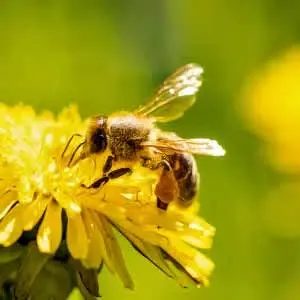
Honey Bee
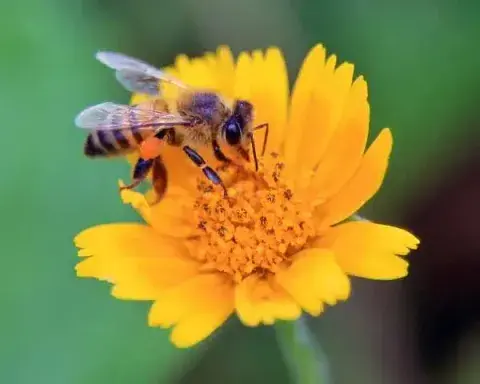
The Western Honey Bee is the most common type of bee, with a clear hierarchy of queen, worker bees, and drones. We’re happy to help you with honey bee removal.
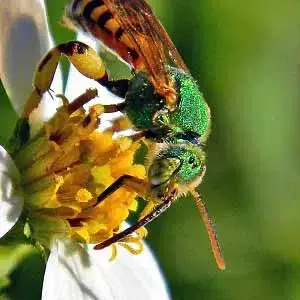
Striped Sweat Bee
These bees are native to Florida. They love various types of mint plants and do not, in spite of what people may think, have any real interest in human sweat.
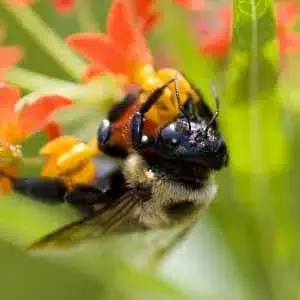
Bumble Bee
Large, fuzzy pollinators that nest in small colonies, often in or near the ground. Like most bees, they focus on pollen and nectar. Call us if you need help with a nest.
Eastern Carpenter Bee
Solitary wood-borers that tunnel into soft or unpainted wood — fascia, trim, bamboo, and similar materials — to make nest chambers. We can help with carpenter bee removal.
What Can We Help You With?
Bee Removal
Humane live removal of beehives and swarms without exterminating the colony.
Learn moreBee Relocation
Humane bee relocation: remove the colony alive and move it where it can thrive.
Learn moreWasp Removal
Humane no-kill wasp, yellow jacket, and hornet nest removal — not relocated like honey bees.
Learn more
Since 2005
Where the Bees Go
300+ colonies rescued and relocated
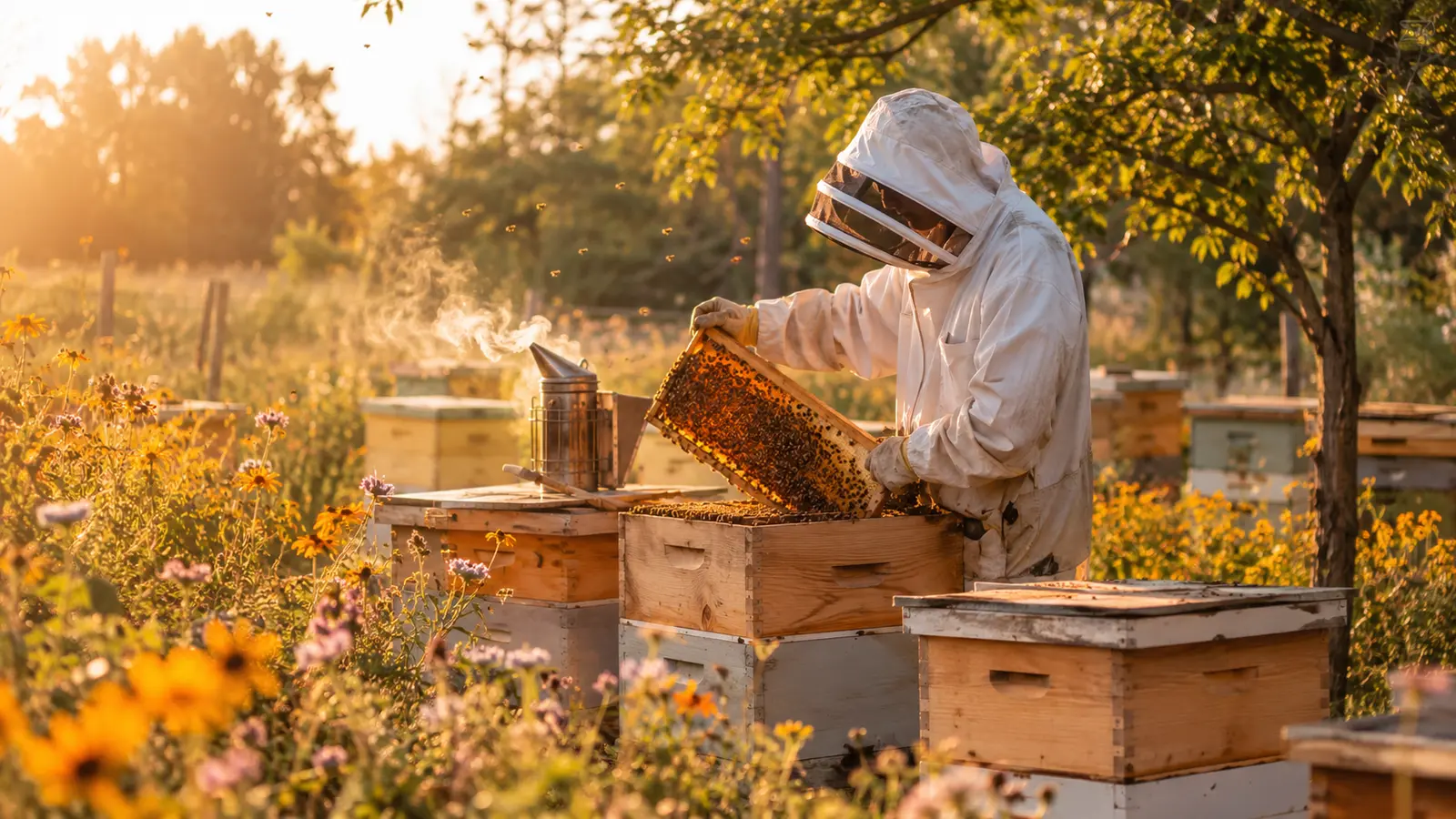
Honey bee colonies we remove are boxed and taken to our farm, where they are hived and kept.
Wasp nests are removed humanely and are not relocated. A honey bee colony inside a building still needs the comb removed.
How Does Live Bee Removal Work?
Step 1: Photo or call
Call, text, or send a photo so we can see what you have.
Step 2: Inspection and free quote
We locate the colony and explain the work before we start.
Step 3: Live removal, including all honeycomb
We remove the bees alive and take out all of the comb.
Step 4: Clean the cavity
We wash the cavity so leftover wax and honey do not melt or smell.
Step 5: Bees go to our farm
The colony is relocated to our farm.
Quick Answers
How much does bee removal cost?
Every job is different, so we give a free quote after we see the colony. Height, access, the material we have to open, and how much comb is inside all change the work. Call and we will tell you what your job involves. We do not list prices.
Do you kill the bees?
No. Honey bees are removed alive and relocated to our farm. We also take out the honeycomb. Wasp nests are removed humanely — wasps are not relocated.
Can you come today?
7 AM – 7 PM, 7 days a week. Emergencies: call now if bees are near a door, pool, or play area.
Do you remove the honeycomb?
Yes. Comb left in a wall melts and ferments. We take it out and clean the cavity.
What is the difference between a swarm and a hive?
A swarm is a cluster resting in the open, usually on a branch or eave, with no comb yet. A hive inside a wall already has comb, and the wall has to be opened to remove it.
Where Do We Work?
Based in Davie. Live bee removal across Broward, Miami-Dade, and Palm Beach counties.
Bees? Call for a Free Quote
7 AM – 7 PM, 7 days a week. Emergencies: call now, or text us a photo.